
JSTOR Access in Prison Initiative
The JSTOR Access in Prison Initiative is a three year project to scale access to JSTOR to all higher education in prison (HEP) programs in the United States.
Our story
JSTOR’s trusted digital library is used by 14,000+ higher education institutions worldwide. In 2007, at the request of the Bard Prison Initiative, JSTOR began providing offline access to its collection for learners in carceral settings.
In 2019, ITHAKA Labs partnered with JSTOR to strengthen this work. First, with funding from the Mellon Foundation, we piloted an initiative to develop new and improved support for offline access to JSTOR. Second, with funding from Ascendium Education Group, we launched a project to provide secure online access to JSTOR for incarcerated students.
Today, we continue to expand JSTOR Access in Prison with the goal of providing access to every higher education in prison program in the United States, thanks to generous support from the Mellon Foundation. We tailor solutions for each setting, combining offline and direct access models in order to make the student experience as close as possible to that of peers on the outside while meeting programs’ and facilities’ security requirements.
Our impact
By bringing high-quality academic content to learners in prison, JSTOR Access in Prison supports educational equity and fosters lifelong learning opportunities for people who are incarcerated.
JSTOR Access in Prison at glance
- 15 million academic journal articles
- 100,000 ebooks
- Scholarly research across 75 disciplines
- 1M+ people served inside
- 1,450+ prisons providing access
“My ability to access the [JSTOR] library opened a world of not only information, but also opportunity.”
-Tim Johnson, Contributing Writer for The Nash News
Nash Correctional Institution in North Carolina
What’s next
As we continue to refine JSTOR Access in Prison, we regularly engage with a dynamic community of higher education in prison programs to better understand their needs and identify opportunities to improve access. We work hand-in-hand with departments of corrections and education providers to scale access to both offline and direct access solutions that fit their requirements.
Stay connected
If your prison education program is interested in JSTOR Access in Prison, we’d love to hear from you. Contact us to learn more about the project, receive updates, and explore opportunities to provide JSTOR access to your students.
This work is part of ITHAKA’s Improving Higher Education in Prisons initiative, a series of work to support justice-impacted individuals, empowering them to improve their lives by increasing access to high-quality higher education programs and library resources in prisons
Related content
August 28, 2025
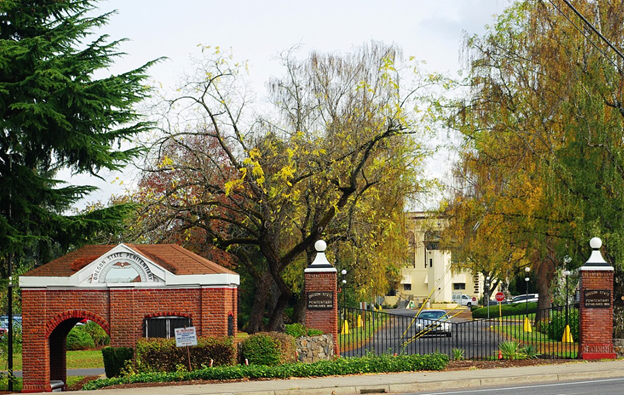
A Visit to Oregon State Penitentiary: Reflections from a JSTOR Engineer
On a recent visit to Oregon State Penitentary, Ryan McCarthy, the Senior Software Engineer for JSTOR Labs, joined Chemeketa Community College’s prison education team to observe a psychology class in action.

By Ryan McCarthy
February 26, 2025
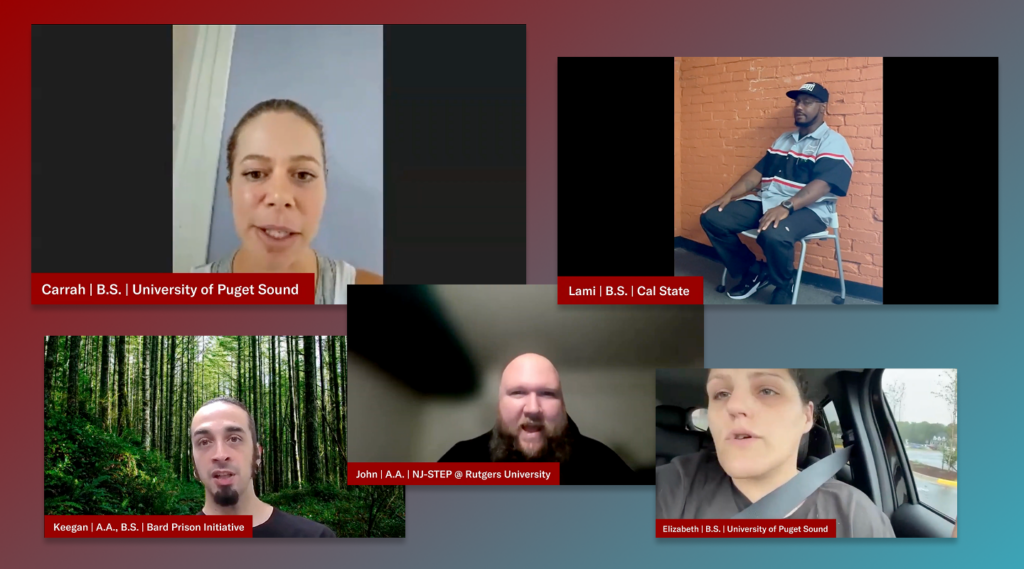
Freeing Potential: A JSTOR Short Video Series
A look into a new series from JSTOR Access in Prison that spotlights five scholars who share how JSTOR was their gateway to an expansive and modern education during their incarceration.

By Stacy Burnett

Prison Education: Offline Access Pilot
Conducting research without internet access is challenging. This project tested a new, offline version of JSTOR designed specifically for prison education programs and their students.